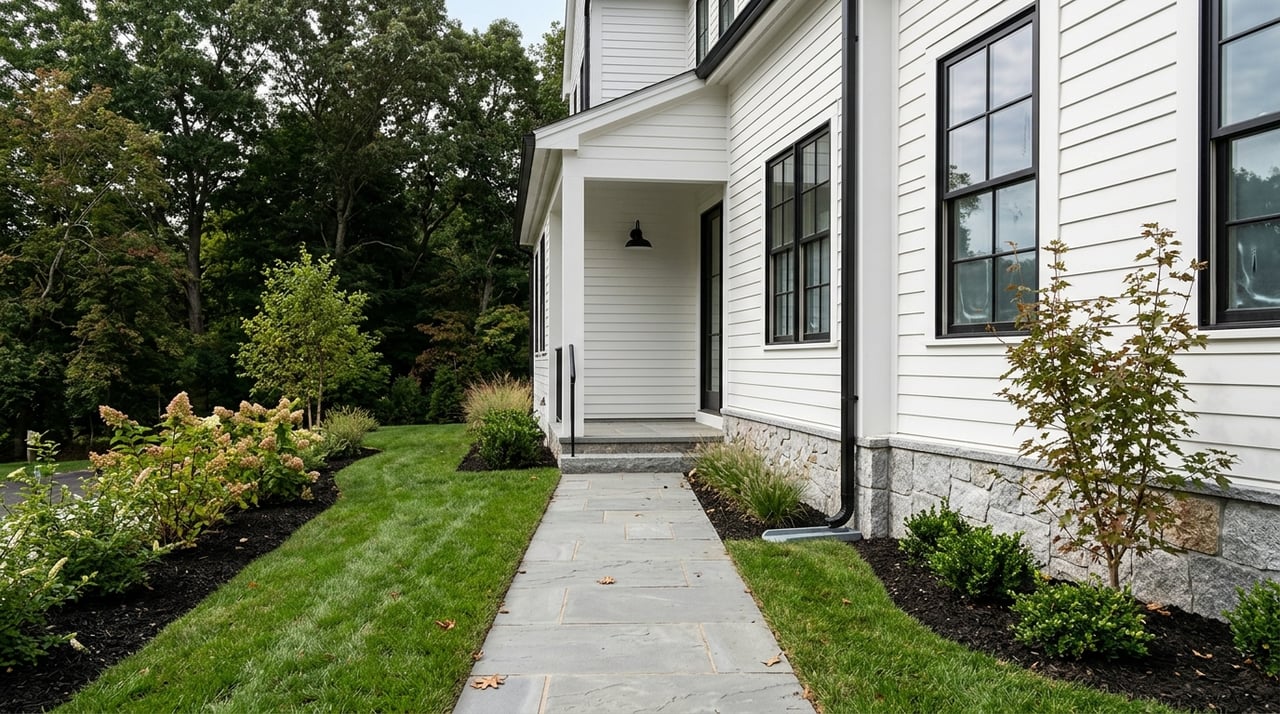
Thinking about buying brand-new instead of resale in Shelton? It can be an exciting move, but it also comes with a different set of costs, timelines, and decisions than many buyers expect. If you want to know where new construction is showing up, what affects pricing, and how to protect yourself during the process, this guide will help you make a more confident plan. Let’s dive in.
Shelton new construction market
New construction in Shelton is not a wide-open market with endless buildable land. Public planning documents point to a more limited, approvals-driven pattern, where homes often come online through specific subdivisions or custom projects rather than large amounts of vacant land.
For you as a buyer, that means availability may be tighter than you expect. It can also mean that timing depends on local approvals, site work, and municipal requirements, not just on whether a builder has a floor plan you like.
Another important reality is price. Shelton’s broader median sale price was reported at $525,000 in March 2026, while current new-construction examples range from the high $700,000s to about $1.25 million. If you are comparing new construction with resale homes, that premium needs to be part of your budget discussion from the start.
Where new homes are appearing
Shelton’s recent and current examples show that new construction is happening in a few distinct ways. Some homes are part of smaller subdivision-style communities, while others are custom homes on larger lots.
Constitution Boulevard South area
Town project records reference the Woods Way development near Constitution Boulevard South. A current example there shows a home priced at $759,995 on a 4,791.6-square-foot lot, with monthly HOA dues listed at $293.
This is a useful example of one type of Shelton new construction: a planned community setting with smaller lots and shared community costs. If you are looking for a low-maintenance lifestyle, this type of property may appeal to you, but you will want to review what the HOA covers and what it does not.
William Street and Niko’s Way
Shelton’s biennial report identifies Niko’s Way as a six-lot subdivision off William Street. Public records and listings show lot sizes around 0.28 to 0.29 acres, with homes around 2,626 to 2,700 square feet.
That gives you another picture of the local market. In Shelton, new construction may mean a smaller subdivision with moderate lot sizes rather than a large development with many phases and many available homes.
Huntington Street custom builds
A different example is 191 Huntington Street, a custom new-construction home listed at $1.25 million on 1.74 acres in the R-1 zone. The listing notes city water, city sewer, and no HOA.
This shows the other side of Shelton’s market. If you want more land, fewer community fees, or a more custom product, you may find it, but usually at a much higher price point.
Why approvals matter in Shelton
In Shelton, the lot is only part of the story. Town records and the Building Department process show that new construction often depends on zoning compliance, site plan approval where required, wetlands compliance when applicable, sewage approval, driveway permitting, building permits, and inspections before a Certificate of Occupancy is issued.
That matters because two homes with similar square footage can have very different timelines and costs depending on the site. Drainage, utility access, driveway design, and municipal review can all affect the final path to closing.
For you, the takeaway is simple: a new build in Shelton is often shaped as much by approvals and site conditions as by finishes and layout. That is one reason it helps to look beyond the model home and ask detailed questions early.
Lot sizes and zoning can vary a lot
Shelton’s residential zoning schedule allows for a wide range of lot sizes. Minimums range from 120,000 square feet in R-1A down to 5,000 square feet in R-5, with additional standards for frontage, setbacks, and utility service.
That range helps explain why Shelton new construction can look very different from one property to the next. One home may sit on a compact subdivision lot with HOA dues, while another may sit on acreage with no HOA at all.
If you are trying to compare homes, do not focus only on square footage. You should also look at lot size, zoning context, utility setup, and whether future use of the property may be limited by the site or district rules.
Budget beyond the base price
One of the biggest mistakes buyers make with new construction is assuming the advertised price tells the whole story. In many cases, it is only the starting point.
Model homes often showcase premium finishes that may not be included in the base price. Builders may also use allowances, which are preset dollar amounts for certain selections. If your choices exceed the allowance, you pay the difference, and later change orders can add even more.
Common budget items to verify
Before you commit, make sure you understand:
- What is included in the base price
- Which finishes are upgrades
- Whether appliances are standard or optional
- What landscaping is included
- Whether driveway, walkways, or patios are included
- Any monthly HOA dues
- How taxes are being estimated before assessment
- Whether builder incentives are available
In Shelton, this matters even more because current examples already show a wide pricing spread. A home in the high $700,000s and a custom build at $1.25 million are both “new construction,” but they are clearly very different products.
Check taxes and HOA details early
Taxes on new construction can be easy to misunderstand. Some Shelton listings note that taxes are placeholders until the property is formally assessed, which means your actual tax bill may change after closing.
Shelton’s FY 2025/2026 mill rate is 18.82. While that helps you estimate future carrying costs, you still need to confirm how the assessment will be handled for the specific property you are considering.
HOA dues can also vary. Woods Way lists $293 per month, while the Huntington Street example shows no HOA. If you are comparing monthly affordability, those costs should be part of the conversation right away.
Expect a longer timeline
If you are used to resale purchases, the timeline for new construction may feel much longer. A build-from-scratch home typically takes about 6 to 12 months or more, and custom homes can take longer if permitting, weather, inspections, or materials affect the schedule.
A standard home purchase often closes in about 30 to 60 days. So if you have a lease ending, a home to sell, or a job relocation deadline, timeline planning becomes one of the most important parts of the process.
Shelton’s permit and inspection sequence helps explain why. Projects may need to move through footing, foundation, rough framing and systems, insulation, final grading, and other required steps before a Certificate of Occupancy is issued.
Independent inspections still matter
A lot of buyers assume a brand-new home does not need an inspection. That is a risky assumption.
Municipal inspections are there to confirm minimum code compliance. They are not the same as hiring your own inspector to review workmanship, systems, and installation issues from a buyer’s point of view.
A smart approach is to schedule an independent inspection before the walls are closed, if possible, and another one before the final walkthrough. If the home is already completed, adding an inspection contingency before closing can still give you an extra layer of protection.
Read the builder warranty carefully
A builder warranty can be valuable, but it is not blanket coverage for every issue that may come up after closing. Coverage terms are usually specific, and notice deadlines may affect whether a claim is honored.
That means you should read the warranty documents closely and understand what is covered, what is excluded, and how you are expected to report a problem. Do not assume that “new” automatically means every defect will be handled for you.
Vet the builder and the contract
Builder reputation matters, especially in a market where project-by-project development is common. One current Shelton example is AJ Grasso / Prestige Builders, whose builder page states 40 years of residential construction experience and more than 375 Connecticut homes, while BBB lists Prestige Builders LLC in Shelton with an A+ rating and 28 years in business, though not BBB accredited.
Whether you are considering that builder or another one, it is worth reviewing experience, current inventory, warranty terms, and contract details carefully. You want a clear understanding of what is included, how upgrades are priced, how delays are handled, and what happens if the delivery date shifts.
How to compare new build vs resale
For many buyers, the real decision is not just whether they like new construction. It is whether a new build makes more sense than a resale home in Shelton.
Here are a few helpful ways to compare the two:
- Price: New construction often carries a premium over the resale market.
- Timeline: Resale is usually faster. New construction often takes much longer.
- Customization: New homes may allow design choices, but changes can cost more.
- Maintenance: A new home may offer fewer immediate repair concerns, though it still needs inspections.
- Monthly costs: HOA dues, taxes, and upgrade financing can change affordability.
- Lot and location: Resale may offer more established settings, while new construction may offer newer layouts and systems.
The right answer depends on your budget, your move date, and how much flexibility you have during the process.
Why local guidance helps
New construction has more moving parts than many buyers realize. In Shelton, those moving parts often include approvals, site conditions, allowances, inspections, and timing that can shift as the project moves forward.
That is where strong local guidance can make a real difference. Having someone help you review inclusions and exclusions, compare builder incentives, and keep your purchase aligned with a sale date or lease end can save time, stress, and costly surprises.
If you are weighing a new build against a resale home in Shelton, the best next step is to look at the numbers and timelines side by side. If you want clear, local guidance on Shelton new construction or resale options, reach out to stacy pfannkuch for a personalized plan.
FAQs
What should you know about new construction prices in Shelton?
- New construction in Shelton currently shows a clear premium over the broader resale market, with examples ranging from the high $700,000s to about $1.25 million compared with a reported March 2026 median sale price of $525,000.
Where are new construction homes being built in Shelton?
- Current examples include Woods Way near Constitution Boulevard South, Niko’s Way off William Street, and custom-home opportunities such as Huntington Street.
Do Shelton new construction homes always have HOA fees?
- No. Some subdivision-style homes include HOA dues, such as Woods Way at $293 per month, while other custom homes may have no HOA.
Why do approvals matter for Shelton new builds?
- Shelton’s process can involve zoning compliance, site plan review where applicable, wetlands review when needed, sewage approval, driveway permits, building permits, inspections, and a Certificate of Occupancy before move-in.
Should you get an inspection on a brand-new Shelton home?
- Yes. An independent inspection can help identify workmanship or installation issues that municipal code inspections are not designed to cover.
How long does it take to buy a new construction home in Shelton?
- If you are building from scratch, the process often takes about 6 to 12 months or more, depending on permitting, inspections, weather, materials, and the scope of the build.
Are taxes final on a Shelton new construction listing?
- Not always. Some listings note that taxes are placeholders until the home is formally assessed, so you should verify how the tax estimate was calculated for the specific property.
What is the biggest budgeting mistake with Shelton new construction homes?
- A common mistake is focusing only on the base price and not accounting for upgrades, allowances, landscaping, HOA dues, and possible changes to the tax bill after assessment.