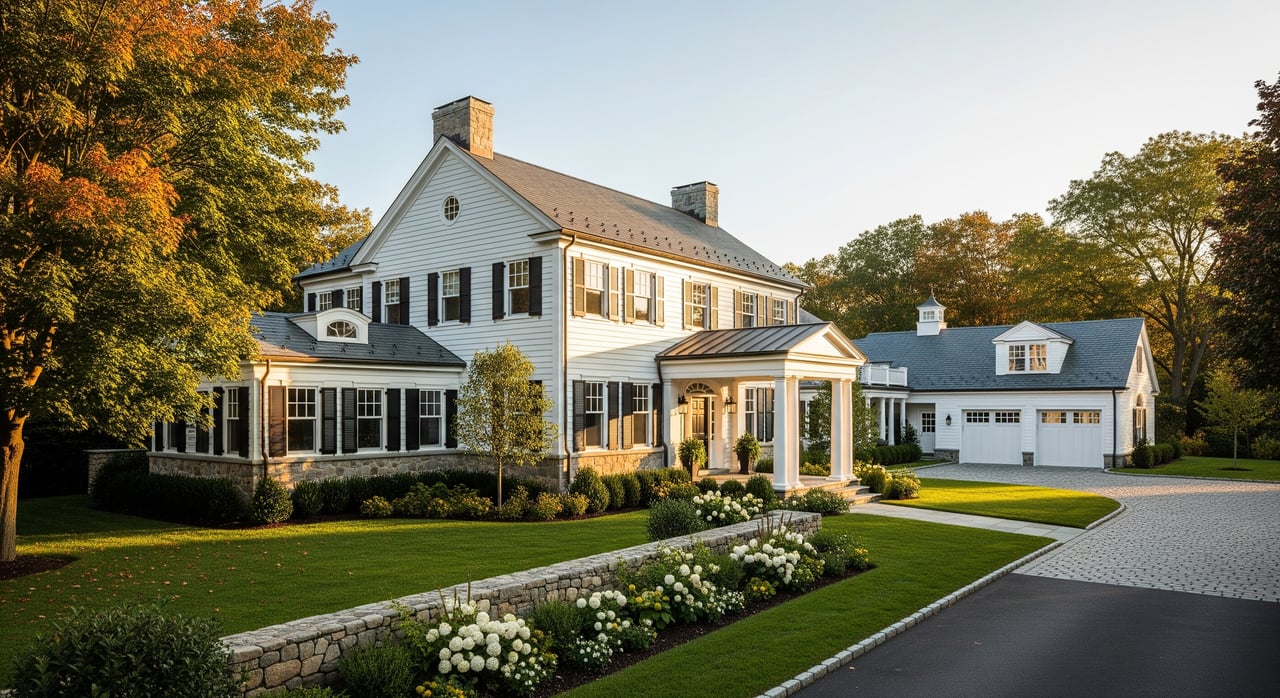
Curious what buyers would pay for your Trumbull home today? You’re not alone. With mortgage rates shifting and inventory evolving, values depend on the specifics of your property and neighborhood. In this guide, you’ll learn the local factors that drive price, how a professional valuation is built, and why online estimates often miss key details. Let’s dive in.
Trumbull market snapshot
Over the past couple of years, Fairfield County has moved from the extreme low-inventory pace of 2020–2022 toward a more balanced feel. Higher mortgage rates reduced some buying power, so price growth isn’t uniform across every neighborhood. In Trumbull, buyer demand is still strongest for move-in-ready homes, especially those with convenient access to the Merritt Parkway and nearby rail stations for commuters. Entry-to-mid price ranges tend to see steadier activity, while higher-priced or more unique homes can take longer to sell.
What drives value in Trumbull
Location and commuter access
Proximity to the Merritt Parkway (Route 15) and Route 25 matters because it shortens daily drives. Easy access to Bridgeport or Stratford rail stations can widen your buyer pool, especially for Stamford and NYC commuters. Even within town, micro-locations near parks, shopping, or medical services can shift demand.
Schools and attendance zones
Many buyers consider Trumbull Public Schools and specific attendance zones when comparing homes. School boundaries and program offerings can influence interest. Keep documentation about your school assignment handy so buyers can verify details.
Condition and recent updates
Buyers today weigh condition more carefully than during the recent frenzy. Updated kitchens and baths, newer roofs, windows, and HVAC, and a clean inspection profile can support stronger offers. Flexible spaces like finished basements, mudrooms, and home offices are popular with suburban buyers.
Lot, usability, and outdoor living
Private, usable yards, patios or decks, and thoughtful landscaping are high-impact features. If your lot includes wetlands or sits near mapped flood zones, buyers may factor in insurance and mitigation costs. Clear documentation helps set accurate expectations.
Size, layout, and usable square footage
Usable space often matters more than raw square footage. Bedroom and bathroom counts, storage, and the flow between living areas are central to buyer decisions. Additions or non-permitted changes can affect financing and appraisal.
Age, style, and character
Trumbull offers a mix of mid-century homes and newer builds. Some buyers want newer systems and finishes; others value mature lots and traditional charm. Unique or historic homes appeal to a narrower segment and require tailored comparisons.
Taxes and monthly carrying costs
Property taxes, assessments, and utilities influence affordability. If your taxes are notably lower or higher than similar homes, that will show up in buyer comparisons and pricing discussions.
Timing and seasonality
Spring typically brings more traffic, but the best timing depends on inventory and rates at the moment you list. Families often plan moves around the school calendar, which can influence showing activity.
Neighborhood amenities
Access to parks, open space, trails, shopping, and healthcare adds convenience for many buyers. Homeowners associations and fees, if applicable, also shape the buyer pool and value.
How agents determine market value
Step 1: Find the right comps
A strong valuation starts with comparable sales from the past 3–6 months, or up to 12 months if activity is light. The best comps are close by and share key traits like bedroom and bathroom count, usable square footage, lot size, age, and style. When possible, comps within the same neighborhood or school assignment are preferred for accuracy.
Step 2: Adjust for differences
No two homes are the same. Agents adjust for quantifiable differences like square footage, baths, and lot size. They also translate condition into value, accounting for items such as newly renovated kitchens, roofs, or HVAC systems. Location features like a busy road, proximity to parks, or flood risk are part of the adjustment process.
Step 3: Use absorption to guide strategy
Months of inventory helps determine leverage. Low inventory can support pricing confidently near market value or a touch under to create competition. Higher inventory calls for more conservative pricing and sharper marketing. Your pricing approach might be:
- Market price: List near expected sale price for steady showings and a typical timeline.
- Aggressive: List slightly under to spark multiple offers when demand is strong.
- Conservative: List at the high end to test the market, with awareness it may take longer.
Step 4: CMA vs. formal appraisal
A Comparative Market Analysis (CMA) leverages recent sales, on-market competition, and local knowledge to set a pricing strategy. A lender-ordered appraisal follows stricter guidelines and can influence financed offers. A complete CMA includes sold, pending, active, and even expired listings to show the full picture.
Why online estimates can miss
What AVMs do well
Automated Valuation Models pull public records, tax assessments, and recent sales to estimate value. They offer a quick ballpark and are helpful as a starting point.
Where they slip in Trumbull
AVMs rarely capture a brand-new kitchen, a 50-year roof with recent updates, or deferred maintenance. They struggle with unique lots, wetlands, micro-locations, and nonstandard floor plans. Timing lags are common, and small sample sizes in certain neighborhoods or price bands can magnify error.
How to get a reliable number
Treat online estimates as a quick check with a wide error range. Pair them with a local CMA and, if needed, a licensed appraisal. A brief, in-person walkthrough lets an agent account for upgrades, layout, and condition that algorithms can’t see.
What to bring to a valuation session
- A list of recent renovations with receipts and dates.
- Permits for additions or finished areas, or notes on unpermitted work.
- Survey, plot plan, deed, and any information on easements or wetlands.
- Maintenance history for roof, HVAC, windows, and major systems.
- Comparable sales you consider similar, plus your desired timing and move plans.
How The Kasey Team helps you price and prepare
You get a clear, data-backed plan tailored to your home and neighborhood. We bring recent sold comps with photos and notes, a snapshot of pending and active competition, and a price-per-square-foot range to frame expectations. We also calculate local absorption for your price band and provide a one-page summary with an estimated list range, recommended prep, likely buyer profile, and an estimated timeline.
To help you launch strong, we outline high-impact improvements, discuss whether a pre-listing inspection makes sense, and coordinate professional staging and photography. Our multimedia marketing, rapid distribution through CENTURY 21, and hands-on transaction coordination help you move from listed to closed with clarity and confidence.
Ready to see what today’s market would pay for your home? Schedule a short strategy session with stacy pfannkuch to get your local CMA, preparation checklist, and a step-by-step plan.
FAQs
How is a Trumbull home’s value calculated today?
- Agents analyze recent local comps, adjust for differences in condition, size, and location, and apply absorption trends to set a pricing strategy that reflects current demand.
Are school assignments important for value in Trumbull?
- Many buyers consider Trumbull Public Schools and specific attendance zones in their decision, so documented school assignment can influence interest and pricing.
Can I trust an online Zestimate for my Trumbull home?
- Use it as a ballpark only; AVMs often miss upgrades, condition, and micro-locations, so pair it with a local CMA and, if needed, a formal appraisal.
Should I price high to leave room to negotiate?
- Overpricing often reduces showings and extends days on market; pricing to current demand and absorption usually leads to stronger, cleaner offers.
What upgrades deliver the best ROI before listing?
- Modest, high-visibility refreshes like neutral paint, carpet replacement, and targeted kitchen or bath updates often improve appeal more efficiently than luxury overhauls.
How long will it take to sell in Trumbull right now?
- Timelines vary by price band, condition, and competition; move-in-ready homes with strong access and accurate pricing typically attract faster offers than unique or higher-priced properties.