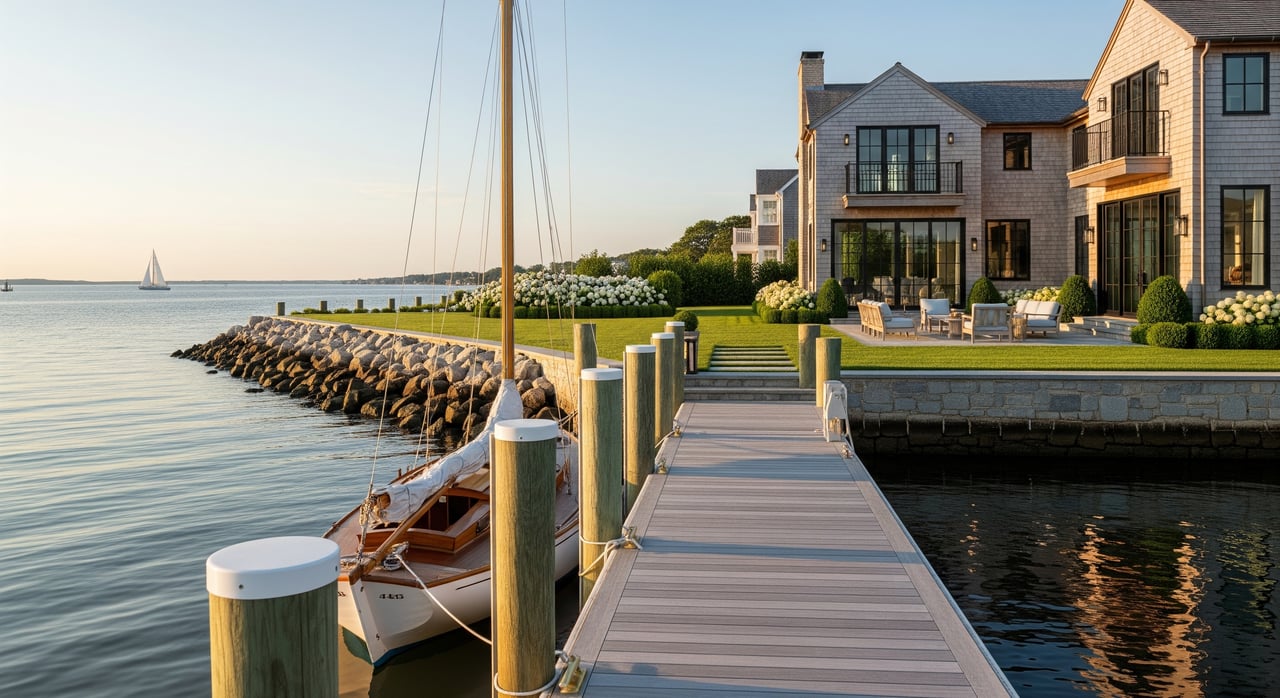
Salt air in the morning, a quick walk to the beach, and evenings on the deck as the tide shifts. If you are picturing daily life along the Stratford waterfront, you are not alone. It is a beautiful lifestyle, and it comes with a few practical details you will want to understand before you buy. In this guide, you will learn how waterfront neighborhoods feel day to day, what costs and rules to plan for, and the key questions to ask during showings. Let’s dive in.
Stratford waterfront at a glance
Stratford sits where the Housatonic River meets Long Island Sound, so you get a mix of open Sound shoreline, sheltered riverfront, and tidal marsh. Each setting offers a different experience. Some homes face open water and more wave and surge exposure, while others sit behind riverbanks or wetlands that feel calmer and more protected. Tide, wind, and storm patterns are part of everyday life, and they shape both the view and the maintenance routine.
Public beaches and parkland are part of the coastal fabric. You will also find private or semi-private beach pockets, marinas and boat launches, and riverfront parcels tucked into coves. Salt marsh and tidal flats are common and often fall under environmental protections. That mix is what makes Stratford’s shoreline feel varied and personal.
Where you might live
Beach neighborhoods
Beach-oriented areas cluster cottages and year-round homes near the sand. Some properties offer deeded access, while others use town-managed access points or seasonal parking permits. Street widths can be tight, and summer activity is lively, so plan for seasonal parking and traffic rules. Neighborhood names and boundaries are often local in nature, so confirm specifics with the Town of Stratford when you get serious about a particular street.
Housatonic riverfront
Riverfront homes front the Housatonic and its small marinas. The water often runs shallower and is tide dependent, which shifts how you boat and fish compared to the open Sound. The feel is more sheltered and boat focused, with different views and wind exposure than beachfront locations.
Near marinas and downtown
Closer to downtown and the marinas, you will see multi-family buildings, condos, and some single-family homes. These areas can bring quicker access to dining, services, and commuter rail. If low-maintenance living near the water is your priority, condos or townhouses near marina areas can be appealing.
Home styles you will see
- Small beachfront cottages and bungalows, sometimes seasonal and sometimes renovated for year-round use.
- Mid-century ranches, split-levels, and Cape Cods on slightly elevated lots.
- Renovated or rebuilt homes with modern, elevated construction meant for coastal conditions.
- Condominium or townhouse clusters near marinas or downtown for easier upkeep.
Market context
Waterfront properties usually carry a premium over inland Stratford homes. The premium reflects beach access, water views, boat access, and the scarcity of true waterfront lots. Condition varies widely, from modest seasonal cottages to high-end rebuilds priced well above the town average. If you need precise prices, lean on current local MLS data during your search so you can compare value by location, elevation, and condition.
What daily life feels like
Beaches and parks
Town beaches and parks anchor daily routines. You will see swimming, walking, sunbathing, and seasonal community events in warmer months. Many Connecticut coastal towns use seasonal resident passes, parking permits, and posted lifeguard hours. Stratford policies are managed by Parks and Recreation, so plan to review current access and fees as you plan your beach routine.
Boating and water sports
Marinas, slips, public launches, and mooring fields support boating, fishing, kayaking, paddleboarding, and sailing. Riverfront spots shine for smaller craft and inshore fishing, and the Sound opens broader options when weather allows. If boating is central for you, check marina waitlists, transient slip rules, and mooring regulations early, since availability can shape your home search.
Everyday errands
Grocery stores, hardware shops, and marine services are a short drive from most beach areas, with convenience varying by neighborhood. Seasonal seafood stands and waterfront dining pop up in coastal towns, and hours can shift with the season. Stratford’s public schools serve local neighborhoods, and regional hospitals in nearby cities are within driving distance. Confirm current school assignments and nearest medical facilities so daily logistics are clear.
Seasonality and community
Summer is active, with more visitors, traffic, and evening noise. Off-season is quieter, with storm prep and maintenance entering the routine. Many waterfront areas have volunteer groups, yacht clubs, or neighborhood associations that coordinate beach upkeep, community events, and coastal resilience projects. If you value a strong neighborhood identity, that community structure can be a big plus.
Getting around
Stratford sits on the Northeast Corridor, and commuter rail lines serving southwestern Connecticut offer realistic options for reaching New Haven, Stamford, and New York City. Check current schedules and service patterns directly with Metro-North, CTrail, or Amtrak when planning your commute. Walkability varies by pocket, and many residents rely on cars for daily errands.
I-95 is the main highway for coastal travel and commuting. It is convenient, and typical rush-hour congestion applies across the corridor. Local beach streets can be narrow, and seasonal parking rules can affect routines. If you plan to bike or walk, review town trail and park maps to understand paths and boardwalks near the water.
Costs, rules, and risk you should plan for
Flood zones and insurance
Much of Stratford’s shoreline sits in FEMA flood zones, including VE, AE, or A. Flood insurance is often required by lenders if your home is in a high-risk zone, and it can be expensive relative to inland homes. Quotes vary by elevation, mitigation features, prior claims, and whether you use the National Flood Insurance Program or a private carrier. Start insurance quotes early, confirm the property’s flood zone via the FEMA Flood Map Service Center, and request an elevation certificate from the seller or the local assessor if available.
Permits and shoreline work
Docks, seawalls, bulkheads, and other shoreline structures typically need approvals from the town and the Connecticut Department of Energy and Environmental Protection. Some projects may also require review by the U.S. Army Corps of Engineers for tidal work. Expect permitting to take time, and plan for coastal setbacks, elevation requirements, and wetlands rules. Before you buy, speak with Stratford’s Building and Zoning departments about your plans so you know what is feasible.
Environment and maintenance
Salt marshes and tidal wetlands are protected, and development near these habitats is limited. You may see coastal resilience or habitat restoration projects, including living shorelines, in planning or underway. Day to day, coastal life includes wind, birds and insects, and occasional nuisance flooding. Maintenance can include seawall or bulkhead monitoring, elevated foundation care, stormwater management, salt tolerant landscaping, and boat winterization. Property taxes, utilities, and insurance costs shape total ownership, so review current tax rates and utility boundaries with the Town of Stratford Assessor.
A smart buyer’s waterfront checklist
- Flood and elevation
- Confirm the FEMA flood zone and request the elevation certificate. Ask how the first finished floor compares to Base Flood Elevation.
- Request any past flood or insurance claim history through seller disclosures and a CLUE report if available.
- Insurance and financing
- Get preliminary quotes for flood and homeowners insurance, from both NFIP and private carriers. Ask your lender about requirements for properties in certain flood zones.
- Access and rights
- Clarify if beach access is private, deeded, or public. Review any shared rights, easements, or HOA rules affecting your use.
- If a dock, mooring, or slip is included, verify that it is properly permitted and whether rights transfer with the property. Ask about marina waitlists or renewal policies.
- Structural condition and maintenance
- Evaluate seawalls or bulkheads, foundation elevation, and any signs of past water intrusion. Confirm HVAC, insulation, and materials are suited to coastal conditions.
- Request recent surveys and review title for easements that could limit waterfront use or projects.
- Permits, zoning, and future projects
- Ask about planned shoreline projects nearby, such as beach replenishment, living shorelines, or dredging that could change conditions.
- Speak with Stratford Building and Zoning about timelines and likely restrictions for additions, docks, or shoreline work.
- Neighborhood and everyday living
- Map out distance to groceries, schools, medical care, and commuter rail or bus stops from the home.
- Understand seasonal parking rules, town beach permit requirements, noise ordinances, and trash or beach cleanup schedules.
Is Stratford waterfront right for you?
Pros
- Easy, daily access to beaches, boating, and coastal scenery.
- Strong neighborhood identity and seasonal social life, great for active outdoor routines.
- Potential for strong resale value where waterfront lots are scarce and well maintained.
Cons
- Higher purchase and ownership costs, including potential flood insurance and coastal maintenance.
- Seasonality, with summer crowds and winter storm prep as part of the rhythm.
- Regulatory complexity for shoreline work and the risk of storm damage or periodic flooding.
Plan your next step
If waterfront living in Stratford fits your lifestyle, the right preparation will make your search smoother and faster. Line up insurance guidance and permits research early, and focus on properties that match your comfort with flood zones and maintenance. When you are ready to tour, work with a local team that understands the shoreline’s details and how to position your offer with confidence.
For tailored advice and a curated list of Stratford waterfront homes, connect with stacy pfannkuch and The Kasey Team. You will get neighborhood-level guidance, trusted local referrals, and a clear plan from first tour to closing.
FAQs
What flood insurance should Stratford waterfront buyers expect?
- Most waterfront homes fall within FEMA flood zones, and lenders often require flood insurance in high-risk zones, so get quotes early and compare NFIP and private options.
How do Stratford beach parking and permits typically work?
- Many coastal towns use seasonal passes, parking permits, and posted rules for access and hours, so review Stratford Parks and Recreation policies before peak season.
What should boaters know about marinas and moorings in Stratford?
- Marinas, public launches, and mooring fields serve local boaters, and availability can be limited, so check slip waitlists and mooring rules early in your search.
How does commuting work from Stratford’s waterfront?
- Stratford sits on the Northeast Corridor with regional commuter rail options, and I-95 is the main highway, so verify current train schedules and plan for typical highway congestion.
What winter and storm prep is typical for Stratford waterfront homes?
- Owners often monitor seawalls and foundations, secure outdoor items, manage stormwater, and winterize boats, with maintenance routines adjusted for coastal wind and salt exposure.