Are you drawn to salt air and shoreline views, or do you picture a quieter routine near trails, parks, and wooded streets? If you are comparing Stratford waterfront living with the town’s north end, the choice often comes down to how you want your days to feel. This guide will help you understand the lifestyle, housing patterns, commute considerations, and practical trade-offs so you can focus your home search with more confidence. Let’s dive in.
Stratford’s Two Distinct Lifestyles
Stratford is not really an urban-versus-suburban comparison. A more accurate way to look at it is shoreline-oriented living versus inland residential living. The town sits on Long Island Sound and along the Housatonic River, while the north end is known for a greener, more forested setting.
The waterfront side includes areas such as Long Beach, Lordship Beach, Point-No-Point, Short Beach, and nearby harbor and dock areas. The north end, especially north of I-95, is described in town planning materials as a residential community with more open space and a stronger connection to wooded land. That difference shapes everything from your weekends to your commute habits.
Waterfront Living in Stratford
For many buyers, the waterfront’s biggest draw is simple: you are closer to the water every day. Stratford describes its shoreline as including two public beaches, five marinas, several fishing piers, and two public boat-launching facilities. If you enjoy boating, fishing, beach walks, or just being near the Sound, that access can become a big part of your routine.
Short Beach Park gives a good picture of what waterfront living can feel like. The town says this 30-acre beachfront property includes a par-3 golf course, playground, fields, courts, picnic areas, and 1,000 feet of beachfront. Other waterfront spaces such as Lordship Park and Bond’s Dock add fishing, scenic overlooks, and car-top boat launching.
That said, waterfront living also comes with more seasonal logistics. Beach access rules, resident stickers, and non-resident fees are part of how the town manages these spaces. The Health Department can also temporarily restrict swimming after heavy rain or elevated bacteria readings, so waterfront life can include a few more moving parts than buyers first expect.
Waterfront Home Styles
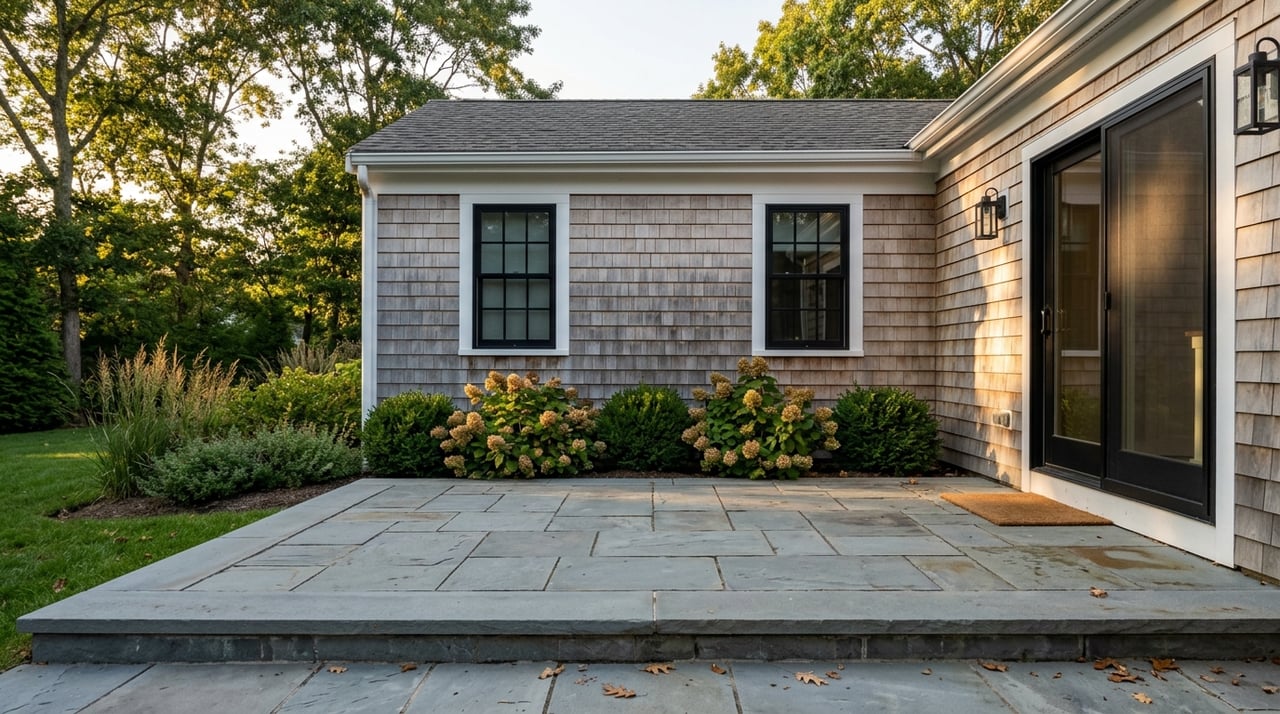
The waterfront areas are often associated with beach-community homes and shoreline-adjacent properties. Current market examples in Lordship show a mix of beach bungalows, Colonials, Cape Cod-style homes, some larger shoreline properties, and a few newer homes.
The exact housing mix can vary block by block, but the overall setting tends to feel coastal and neighborhood-based rather than dense or urban. In many cases, the appeal is as much about the setting and access as it is about the house itself.
North-End Living in Stratford
If the waterfront feels tied to beach and boating routines, Stratford’s north end leans more toward parks, trails, and a traditional residential setting. Town materials describe this part of Stratford as greener and more forested, with Roosevelt Forest often highlighted as a defining feature.
Roosevelt Forest is a 495-acre town forest with trails, picnic areas, a dog park, and four-season recreation. Depending on the season, that can mean hiking, cross-country skiing, or snowshoeing. For buyers who want outdoor access without the shoreline-specific upkeep or regulations, this can be a strong advantage.
Longbrook Park adds another layer to north-end life. The town emphasizes its trails, waterfall features, and northern Stratford location. Together, these spaces support a daily rhythm that feels more tied to open space and inland recreation than to beach activity.
North-End Home Styles
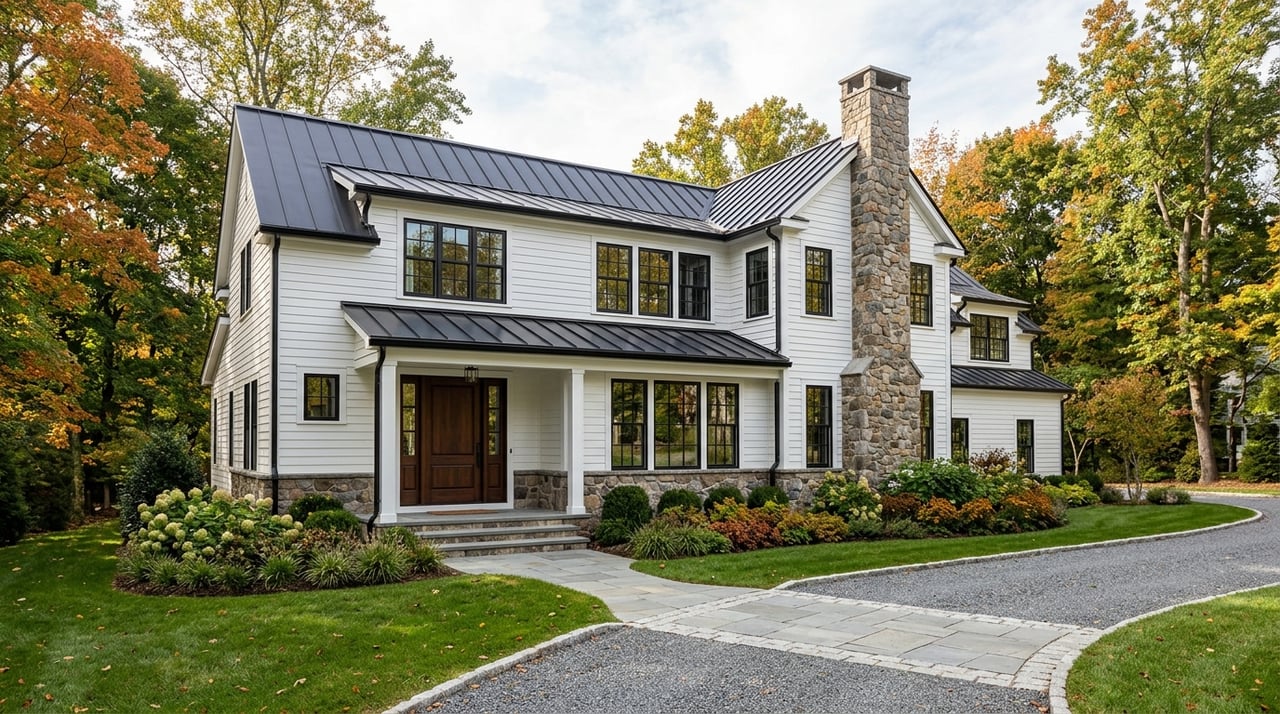
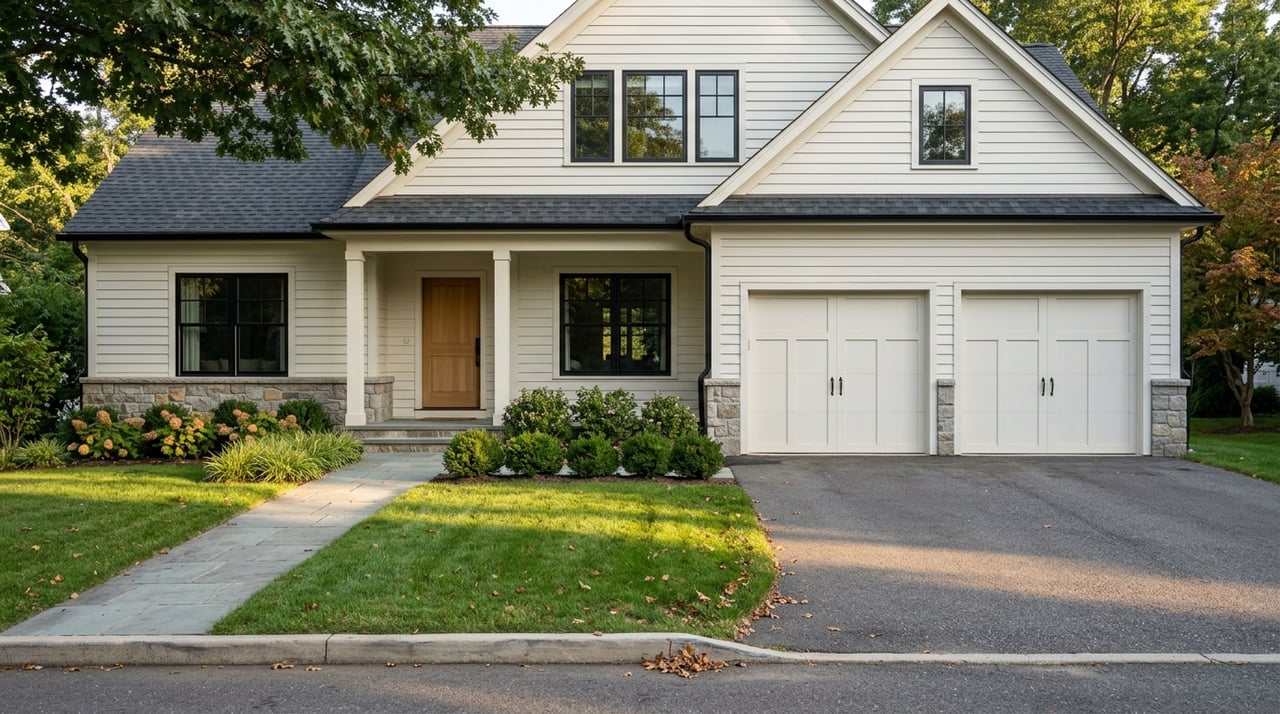
Inland and north-end Stratford generally present more as a detached single-family home landscape. Current market examples show Colonials, Capes, ranches, and raised ranches. Official planning documents also describe larger-lot residential patterns and more open-space-oriented land use in parts of inland Stratford.
For many buyers, that means the north end may feel more like a classic suburban home search. If you are prioritizing yard space, wooded surroundings, or a more park-centered setting, this side of town may align more naturally with your goals.
Daily Routines and Amenities
One of the easiest ways to compare these areas is to ask what a normal Saturday looks like. On the waterfront side, your routine may center on beach access, marinas, fishing spots, and shoreline parks. You may spend more time planning around weather, tides, or seasonal beach rules.
In the north end, the rhythm often shifts toward trails, open space, and inland town routines. The area is also closer to Paradise Green and Main Street activity, where the town hosts a Monday farmers market and a major Main Street festival with local businesses and vendors. That can make north-end living feel more connected to everyday errands and town-center events.
Neither lifestyle is better across the board. It depends on whether you want your free time to revolve more around the Sound or more around wooded parks and inland convenience.
Commute and Access Considerations
Commute patterns in Stratford are shaped by both rail and road access. The Stratford Train Station on Main Street is a regular Metro-North New Haven Line stop, and the town says it also connects riders to Amtrak service. Greater Bridgeport Transit also provides local bus service.
From a practical standpoint, shoreline addresses often connect more naturally to I-95, Route 113, and beach-oriented road networks. Inland and north-side addresses tend to sit closer to Main Street, the rail station corridor, and Merritt Parkway access. That does not mean one side is always better for every commuter, but it does help explain why different buyers prefer different parts of town.
If you commute regularly, it helps to think beyond mileage alone. Your preferred route, whether you use rail, and how often you head to other parts of Stratford can all shape which area feels easier day to day.
Practical Trade-Offs to Know
Waterfront living offers strong lifestyle appeal, but it can also bring extra layers of review and planning. Stratford’s Building Official page references FEMA flood-zone information, and coastal work can involve state regulation. DEEP also notes that docks, shoreline protection, and work in tidal waters are regulated, with tides, wetlands, and coastal hazards all playing a role.
For buyers, that means a waterfront purchase may involve more questions about flood zones, erosion exposure, and future property work. These issues do not make shoreline homes a bad choice, but they do make due diligence especially important.
North-end and inland homes generally avoid most of those shoreline-specific considerations. If you want a simpler ownership picture with fewer coastal variables, the north end may feel more straightforward.
Which Stratford Area Fits You Best?
If you picture morning walks near the Sound, easy access to boating or fishing, and a coastal atmosphere, Stratford’s waterfront neighborhoods may be the better fit. They offer the town’s strongest connection to the shoreline and a lifestyle that feels shaped by the water.
If you picture wooded surroundings, park access, and a more traditional residential feel, the north end may match you more closely. It offers a stronger connection to open space, inland recreation, and everyday town-center routines.
The best choice usually comes down to how you want to live, not just what home style you prefer. When you match your routine, commute, and priorities to the right part of Stratford, your search becomes much clearer.
If you want local guidance as you compare Stratford neighborhoods, stacy pfannkuch can help you weigh commute patterns, lifestyle fit, and property-specific details so you can move with confidence.
FAQs
What is the main difference between Stratford waterfront and north-end living?
- Stratford waterfront living is centered more on beach, boating, and shoreline access, while north-end living is centered more on residential streets, parks, trails, and wooded open space.
What kinds of homes are common in Stratford waterfront areas?
- Waterfront areas such as Lordship are often associated with beach bungalows, Colonials, Cape Cod-style homes, some larger shoreline properties, and a few newer homes.
What kinds of homes are common in Stratford’s north end?
- North-end Stratford often includes detached single-family homes such as Colonials, Capes, ranches, and raised ranches, often in a more open-space-oriented setting.
What outdoor amenities are available in Stratford’s waterfront areas?
- Stratford’s waterfront includes public beaches, marinas, fishing piers, boat-launching facilities, Short Beach Park, Lordship Park, and Bond’s Dock.
What outdoor amenities are available in Stratford’s north end?
- North-end Stratford is closely tied to Roosevelt Forest and Longbrook Park, with trails, picnic areas, a dog park, waterfall features, and four-season recreation.
What should buyers know about Stratford waterfront ownership?
- Buyers should be prepared to review flood-zone information and understand that some coastal property work, docks, shoreline protection, and tidal-water issues can involve additional regulation and review.