If you want your Monroe home to sell quickly, your first few days matter more than most sellers realize. In a market where homes can attract attention fast, buyers notice pricing, condition, and presentation right away. The good news is that you do not need a full remodel to make a strong impression. With the right prep plan, you can launch with confidence and avoid the common mistakes that slow a sale. Let’s dive in.
Why early prep matters in Monroe
Monroe is a town of about 18,809 residents, and recent housing data points to a market where first impressions carry real weight. Realtor.com reports a median listing price around $720,000 and 21 median days on market, while Zillow reports an average home value of $644,541, up 7.9% year over year, with homes pending in about 9 days.
Those numbers come from different sources and methods, so they are not identical. Still, they point to the same takeaway: when buyers move quickly, polished presentation and smart pricing matter from day one.
Start with the basics buyers notice
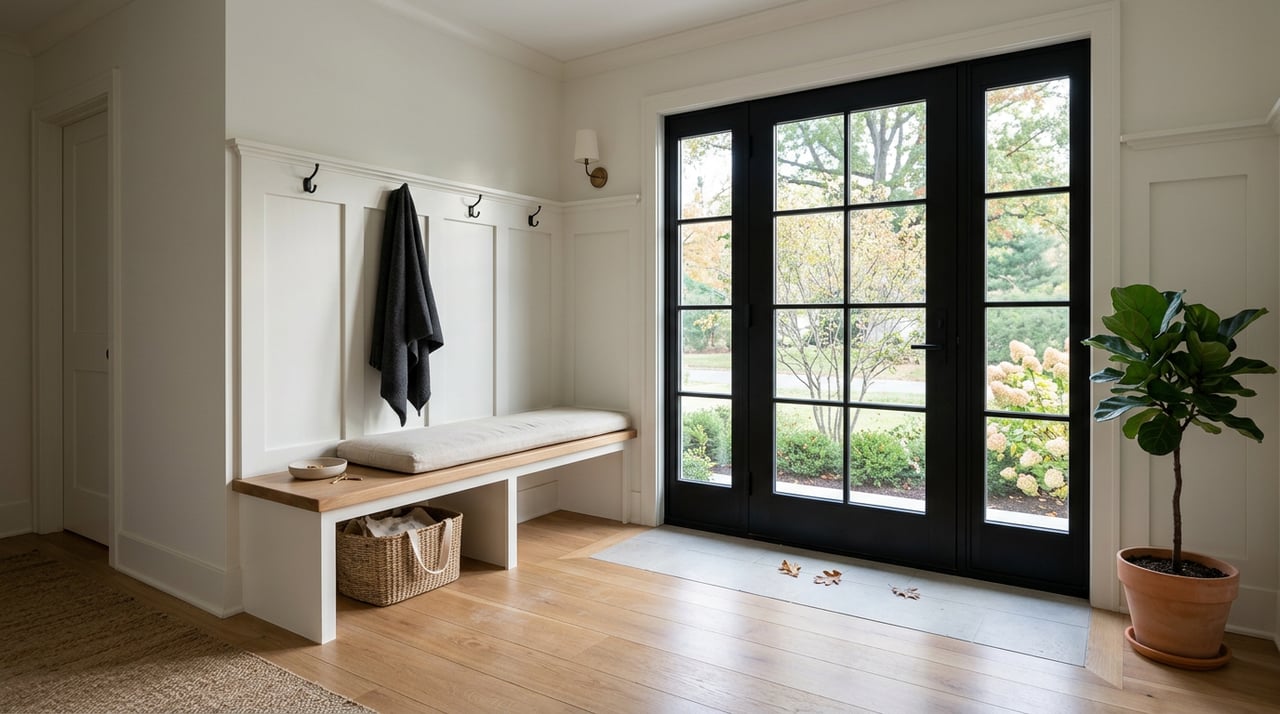
Before you think about photos, open houses, or marketing, focus on the foundation of your presentation. The highest-impact first steps are usually decluttering, deep cleaning, removing personal items, and creating a neutral look that helps buyers picture themselves in the space.
That approach lines up with current staging guidance. NAR defines staging as creating a clean, neutral presentation, not taking on a major renovation.
Declutter every visible surface
Clutter makes rooms feel smaller and distracts from your home’s features. Clear off counters, simplify shelves, and store away anything you do not use every day.
Closets matter too. Keeping closets about half full can help them feel more spacious during showings.
Deep clean before anything else
A spotless home signals care and reduces buyer concerns. Clean floors, baseboards, kitchens, bathrooms, windows, and light fixtures before you schedule photography or showings.
Poor cleanliness is one of the most common presentation mistakes. In a fast-moving market, buyers may decide how they feel about your home within minutes.
Remove highly personal items
The goal is not to erase your home’s character. It is to make it easier for a buyer to imagine living there.
That usually means packing away personal photos and limiting personal, political, or religious displays. A more neutral backdrop helps your rooms appeal to a wider audience.
Focus on the rooms that matter most
If you cannot do everything at once, start where buyers tend to pay the most attention. According to NAR’s 2025 staging report, the most commonly staged rooms were the living room, primary bedroom, dining room, and kitchen.
These spaces often shape the overall impression of the home. When they feel clean, bright, and functional, the rest of the property tends to show better too.
Give the kitchen a clean, current feel
You do not need a full renovation to improve your kitchen’s impact. If you are choosing a few visible updates, buyer-priority survey findings suggest that an updated kitchen, fresh paint, and contemporary lighting deserve strong consideration.
In practical terms, that could mean clearing counters, replacing dated light fixtures, touching up paint, and making sure every surface looks clean and well cared for. Small changes can go a long way when they improve the overall feel.
Refresh bathrooms without overdoing it
Bathrooms are another area where buyers tend to notice condition quickly. A remodeled bathroom ranks high among buyer priorities, but that does not always mean a major project is necessary.
Clean grout, fresh caulk, updated lighting, crisp towels, and a simple, uncluttered vanity can help the space feel more current. If there are visible repair issues, address them before listing.
Improve curb appeal before buyers arrive
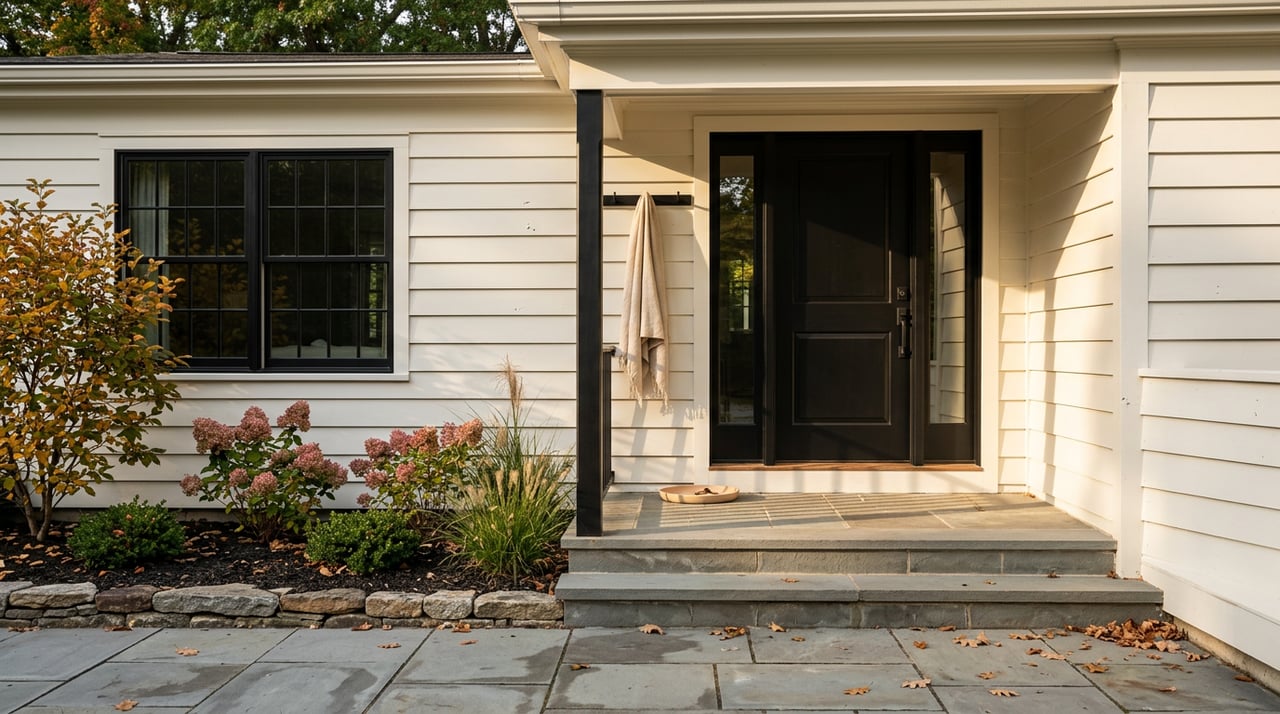
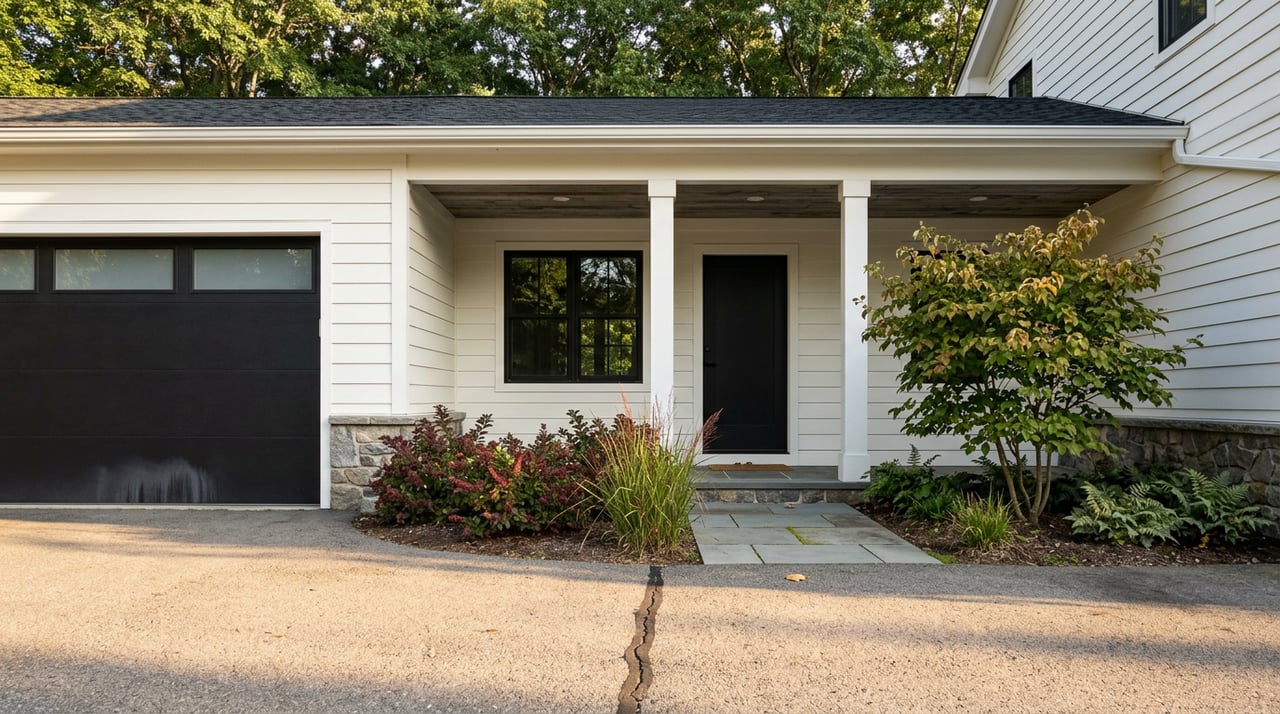
Your exterior sets the tone before a buyer even steps inside. If the front entry looks neglected, buyers may start wondering what else has been overlooked.
Curb appeal does not have to be expensive. Current guidance highlights simple improvements like landscaping, paint touch-ups, a front-door mat, tidy entry areas, manicured beds, and a few small potted plants.
Keep the entry simple and tidy
Pay close attention to the front door area. Sweep walkways, remove cobwebs, trim overgrowth, and make sure the door and hardware look clean.
Neglected entry areas are a common staging mistake. In Monroe’s market, that first look can shape the entire showing.
Know when professionals add value
There is a difference between doing useful prep work yourself and knowing when professional help can improve your result. The right support can help you move faster and present your home more effectively.
For many sellers, the biggest value comes from staging guidance, professional photography, and licensed contractors when repairs are needed.
Stage before photos
If you bring in a stager, do it after decluttering and before photography. NAR reports that 49% of agents said staging reduced time on market, and 29% said staged homes saw a 1% to 10% increase in the dollar value offered.
Staging can be full-service, consultation-based, or virtual. The median reported cost was $1,500 for a staging service, compared with $500 when the listing agent handled staging.
Schedule photography last
Professional listing photos should happen only after the home is clean, staged, and full of light. That order matters because photos are often the first showing a buyer sees.
NAR says 81% of buyers rate listing photos as the most useful feature in their online search. For a team like The Kasey Team, which emphasizes professional stills, drone, video, and polished marketing, strong visuals are a key part of a fast, confident launch.
Hire registered contractors for repairs
If your home needs repairs, line up contractors early. The Connecticut Department of Consumer Protection says home improvement contractors must be registered and recommends speaking with several contractors, meeting at least three in person, and asking for proof of insurance.
The state also notes that some work, including electrical, plumbing, and HVAC, may require more specific licensing. Getting multiple bids and verifying registration can help you avoid delays later.
Handle Connecticut disclosures early
One of the easiest ways to lose momentum is to wait too long on required disclosures or property questions. In Connecticut, this part of the process deserves attention before your listing goes live.
Getting organized early can help reduce surprises during inspections and negotiations.
Complete the property condition report
Connecticut sellers of most residential properties must provide the Residential Property Condition Report before the buyer signs a binder or purchase contract. The form is based on your actual knowledge, and your agent cannot complete it for you.
The state also added a separate Residential Foundation Condition Report effective July 1, 2025 for certain owners. These reports are not substitutes for inspections or tests, but they are an important part of preparing to list.
Verify prior permits when needed
If you have done work on the home in the past, buyers may want confirmation that permits and certificates of occupancy were properly issued. Connecticut law directs buyers to verify that with the municipal building official.
For Monroe sellers, the town now offers online permitting for the Building, Health, Inland Wetlands, Fire Marshal, and Planning & Zoning departments. That can be especially useful if pre-listing repairs or updates require local review.
Address foundation concerns upfront
Foundation issues are too important to leave for later. Connecticut disclosure rules specifically address known foundation damage or remediation in certain situations.
If you have a concern, it is often better to sort it out before listing rather than after a buyer inspection raises questions. The law specifically contemplates inspection by a licensed professional engineer who is a structural engineer for foundation-related concerns.
Launch with a smart pricing and showing plan
Once your home is ready, the next step is a disciplined launch. In Monroe, where recent market data suggests buyers can move quickly, testing the market with an inflated price can work against you.
A tighter strategy usually serves sellers better: accurate pricing based on recent comparable sales, strong presentation, and coordinated timing for photography, listing activation, and showings.
Go live only when ready
Do not rush onto the market before the home is fully presentation-ready. NAR’s marketing guidance supports scheduling showings and open houses only after the home is staged, photographed, and prepared for buyers.
That helps you make the most of your initial exposure. Once your listing is live, buyers are already forming opinions.
Maximize the first weekend
Marketing can include professional photography, staging, social media, signage, open houses, and competitive pricing. NAR also notes that MLS exposure usually provides the broadest reach and that the first open house the weekend after listing can help maximize exposure.
That first wave of attention matters. A polished launch can create stronger buyer interest than a listing that starts half-finished and gets adjusted later.
A simple prep checklist for Monroe sellers
If you want a clear starting point, use this sequence:
- Declutter every room
- Deep clean the full home
- Remove highly personal items
- Refresh key spaces like the kitchen, bathrooms, living room, and primary bedroom
- Tidy landscaping and front entry areas
- Complete visible paint touch-ups and lighting updates if needed
- Bring in staging support before photos
- Schedule professional photography after staging
- Line up licensed or registered contractors for repairs
- Review Connecticut disclosure requirements early
- Verify permits or certificates for prior work when needed
- Launch only when pricing, photos, and showing readiness all align
The goal is confidence, not perfection
Preparing your Monroe home for sale is not about making it look like someone else lives there. It is about helping buyers see the space clearly, reducing avoidable concerns, and supporting a strong first impression from the moment your listing goes live.
With a focused prep plan, accurate pricing, and polished marketing, you put yourself in a better position to sell quickly and with fewer surprises. If you are thinking about your next move in Monroe, stacy pfannkuch can help you build a launch strategy that fits your timeline and your goals.
FAQs
What should I do first before listing my Monroe home?
- Start with decluttering, deep cleaning, removing personal items, and creating a more neutral look so buyers can focus on the home itself.
Which rooms matter most when preparing a Monroe home for sale?
- The living room, primary bedroom, dining room, and kitchen are often the most important rooms to prepare first because they strongly influence a buyer’s overall impression.
Should I stage my Monroe home before taking listing photos?
- Yes. Staging should happen after decluttering and before photography so your online listing reflects the home at its best.
What Connecticut disclosure forms do sellers need before a sale?
- Sellers of most residential properties must provide the Residential Property Condition Report before a buyer signs a binder or purchase contract, and some owners may also need the Residential Foundation Condition Report effective July 1, 2025.
How should I handle repair work before listing a home in Monroe?
- Line up contractors early, get multiple bids, verify Connecticut registration through the state process, and confirm whether specialized work requires additional licensing.
Why does pricing matter so much in Monroe?
- Recent Monroe market data suggests buyers may move quickly, so a well-prepared home with accurate pricing has a better chance of making a strong impression right away.