Wondering how to price your Fairfield home without leaving money on the table or watching it sit? That question matters more than ever in a market where buyers move fast, but still react quickly to homes that feel overpriced. If you are planning to sell, the right pricing strategy can help you attract stronger interest, shorten your time on market, and reduce the risk of price cuts later. Let’s dive in.
Why first pricing matters
Fairfield is active, competitive, and price-sensitive at the same time. According to Zillow’s Fairfield home value data, the local home value index is $953,623 and homes go pending in about 7 days. Redfin’s Fairfield market data and broader town-level reporting also show strong pricing, quick activity, and homes often selling around or above list.
At the same time, pricing too high can still backfire. Nationally, Realtor.com reported that 16.2% of U.S. listings had a price cut in March 2026, even in a market where inventory remains tight in many areas. In other words, Fairfield sellers may have leverage, but buyers are still watching value closely.
Fairfield is not one price band
One of the biggest pricing mistakes is treating Fairfield like a single market. It is not. The town includes distinct areas such as Southport, Sasco Hill, Fairfield Beach, Lake Hills, Stratfield, Tunxis Hill, and others, and the Fairfield assessor neighborhood map shows meaningful differences in neighborhood factors across town.
That local spread shows up in ZIP code data too. In March 2026, Redfin reported median sale prices of about $1.225M in 06824, $710K in 06825, and $1.4M in 06890. Those are major differences, which is why your pricing strategy should be based on a tight set of local comparisons, not broad townwide averages.
Start with a credible CMA
A smart price starts with a detailed comparative market analysis, or CMA. According to the National Association of Realtors consumer pricing guide, a pricing recommendation should consider size, location, amenities, condition, market conditions, nearby developments, and current buyer preferences.
A strong CMA should focus on homes that are truly comparable to yours. Realtor.com’s CMA guidance recommends using recent sold, pending, and active listings in the same or similar area, ideally within the same ZIP code, with similar square footage, bedroom and bathroom count, and features. It also notes that final sale prices matter more than original list prices.
What your comps should include
When reviewing comparable homes, the details matter. The best comp set usually includes:
- Recent sold homes, ideally from the last six months
- Pending listings that show where buyers are writing offers now
- Active competition that buyers will compare against your home
- Similar size, layout, lot characteristics, and overall finish level
- Similar condition, upgrades, and presentation
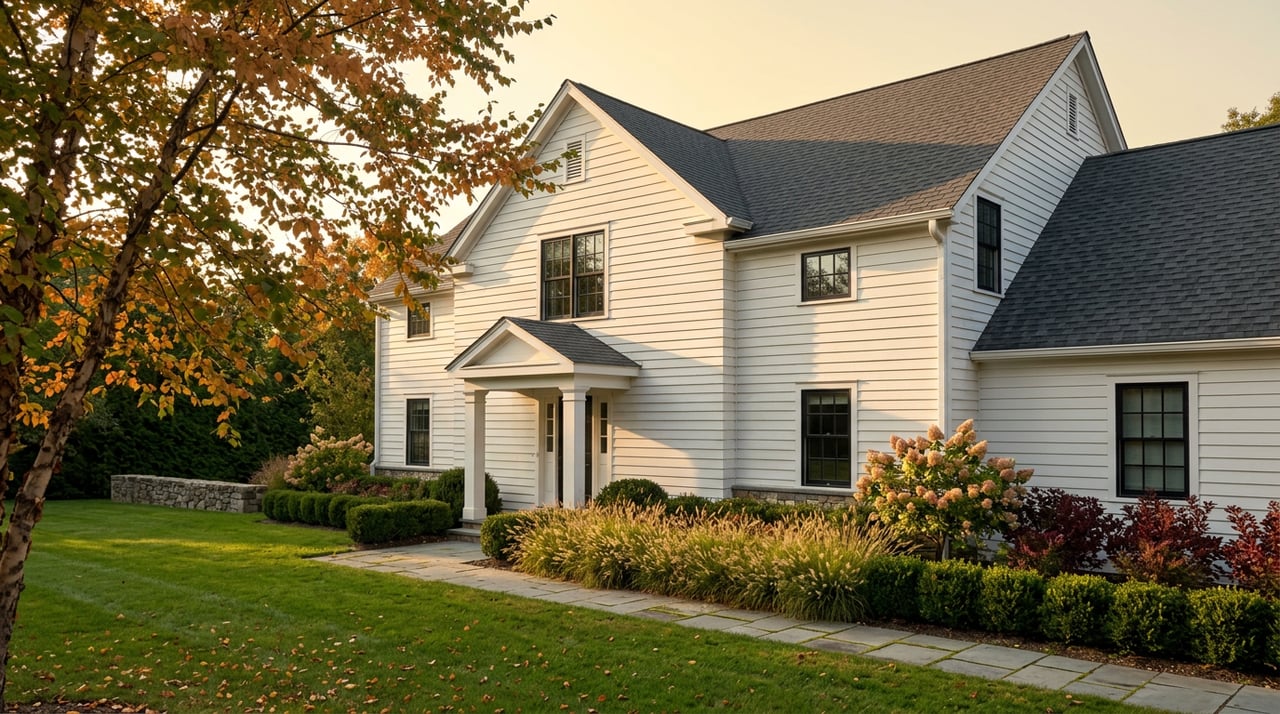
This is where local pricing gets more precise. A colonial near Fairfield Beach, a home in Stratfield, and a property in 06825 may all be in Fairfield, but they may not compete for the same buyers at the same price point.
Price for condition, not emotion
Many sellers understandably want credit for every improvement they have made. But the market does not always return every dollar spent on updates. As Realtor.com explains in its CMA guidance, condition should be adjusted separately from size and location, and sellers should avoid comparing a home that needs work to one that has been heavily upgraded.
That means your list price should reflect how buyers are likely to respond to your home today. It should not be based only on what you spent or what you hope to net. Accurate pricing comes from market reaction, not personal attachment.
Presentation supports better pricing
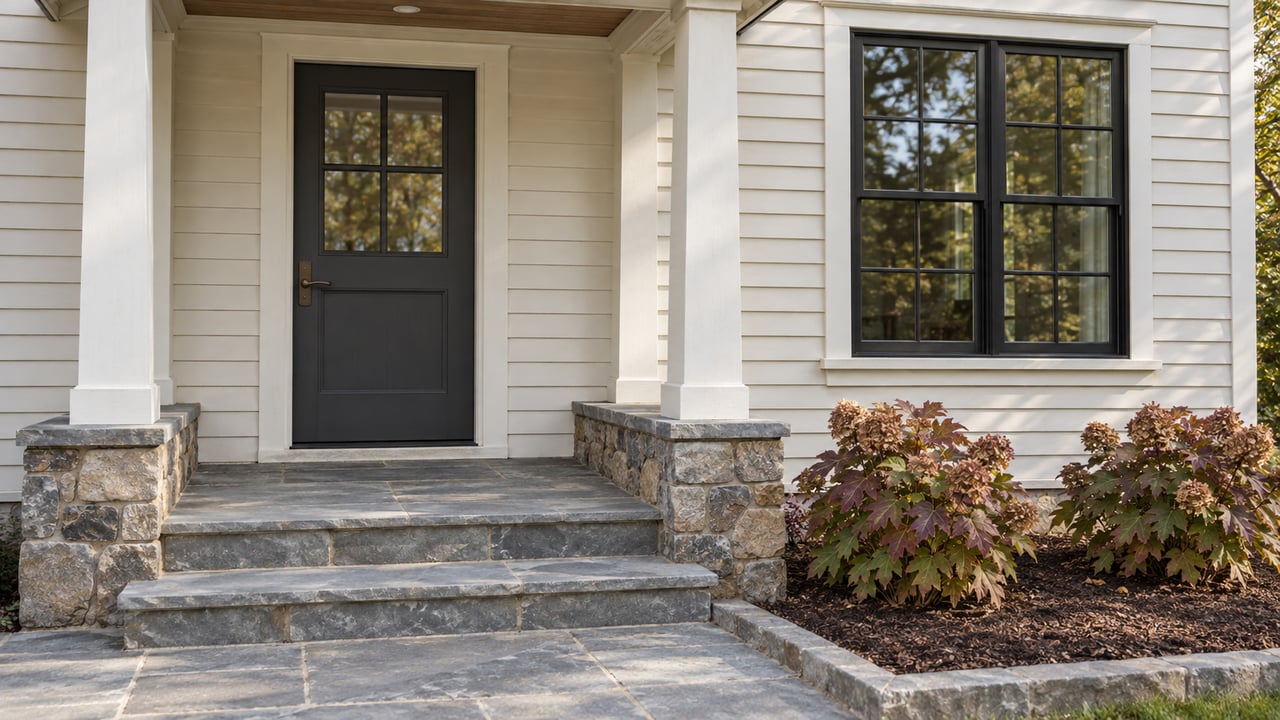
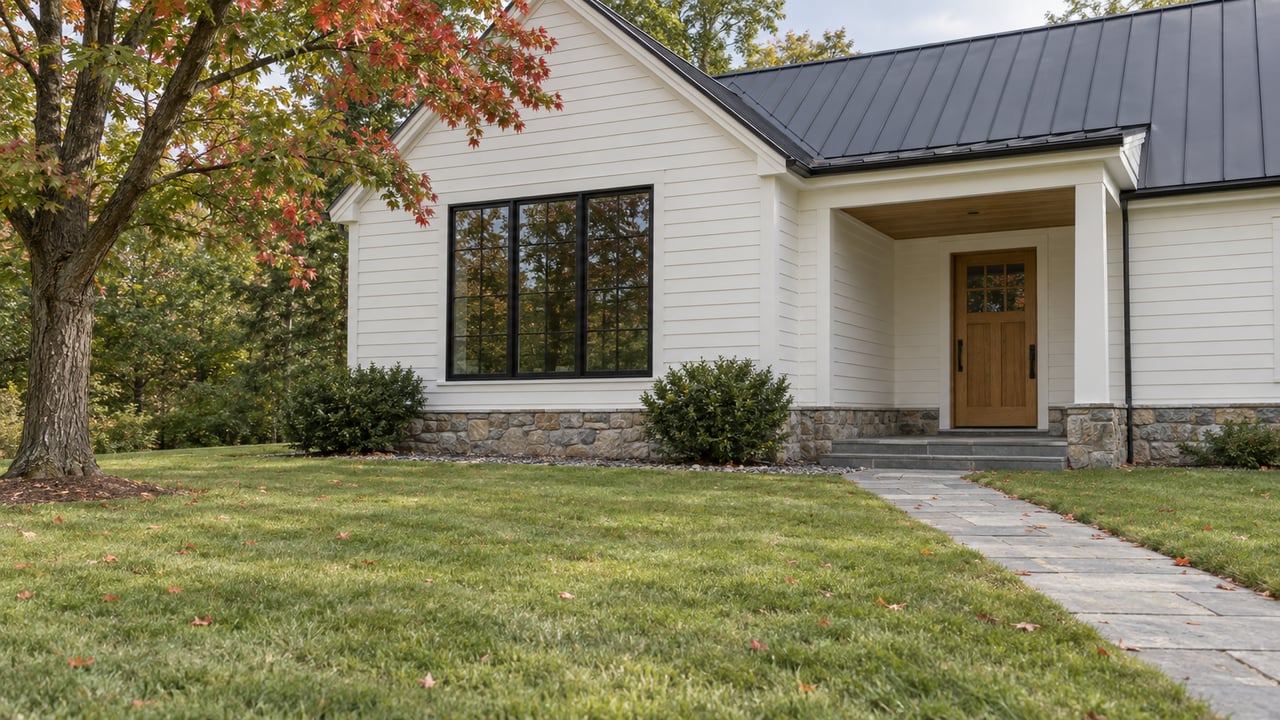
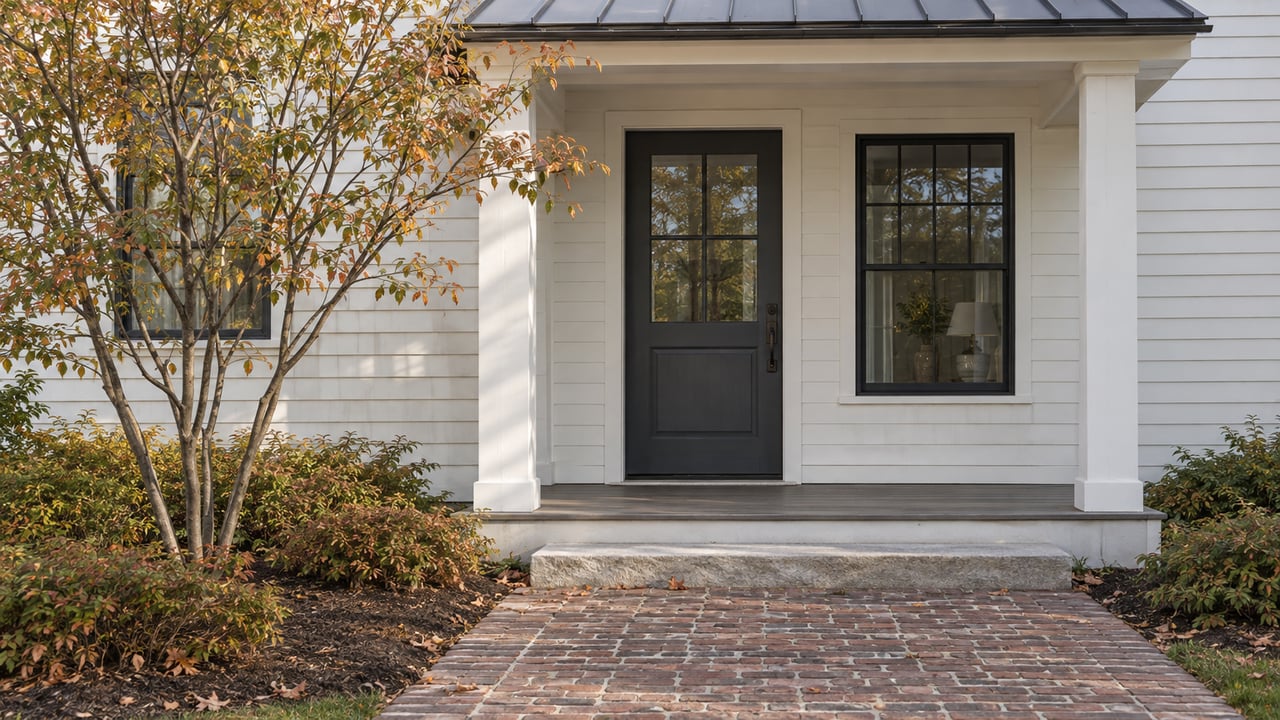
Price and presentation work together. If your home looks polished and move-in ready online and in person, buyers are often more willing to see value quickly. That can support stronger early interest during the most important days on market.
The NAR 2025 staging profile found that 29% of agents saw staged homes increase in value by 1% to 10%, while 49% saw shorter time on market. The same report found that 83% of buyers’ agents said staging made it easier for buyers to visualize the property as a future home.
For many Fairfield sellers, the most useful pre-listing steps are simple and practical. NAR notes that common recommendations include:
- Decluttering
- Deep cleaning
- Improving curb appeal
Those steps can influence how buyers perceive condition, which directly affects pricing power.
Avoid the overpricing trap
It can be tempting to start high and “see what happens.” In practice, that approach often costs sellers time and momentum. Buyers usually notice when a home has lingered, and later price cuts can raise questions that might not have existed with a sharper launch.
Fairfield’s market still rewards well-priced homes, but it does not give sellers a free pass on pricing. With county and national data showing that price reductions remain common in many markets, the better strategy is often to launch at a price that feels competitive from day one instead of trying to chase the market after weak response.
Use timing as an advantage
Timing matters, but it should not replace good pricing. Realtor.com’s 2026 best time to sell report identified April 12 to 18 as the best week to list nationally, with 16.7% more listing views, about 9 days faster sales, and 18.9% fewer price reductions than the average week. That is helpful context, especially in an undersupplied Northeast market.
Still, timing works best when the price is right and the home is ready. A well-presented Fairfield home can attract strong attention outside the ideal week too, but pricing it correctly from the start remains the key driver.
A practical pricing strategy for Fairfield sellers
If you want a pricing approach that matches today’s market, focus on these steps:
1. Study the closest competition
Use nearby sold, pending, and active listings that truly match your home. Stay tight on location, price band, style, and condition.
2. Adjust for features honestly
Account for differences in updates, lot size, layout, and presentation. Do not assume every improvement adds equal resale value.
3. Prepare before you list
Clean, declutter, and improve curb appeal before setting the final price. Buyers react to what they see, and that reaction shapes your real market value.
4. Price for early momentum
The first days on market are critical. A strategic launch price can create urgency and bring in serious buyers before your listing starts to age.
5. Watch feedback closely
Showings, online activity, and buyer comments can tell you whether your pricing is landing well. If the market response is soft, quick adjustments are usually better than waiting too long.
Why local guidance matters
Fairfield pricing is nuanced. Differences between neighborhoods, ZIP codes, home condition, and buyer expectations can all change the right number. That is why a thoughtful pricing strategy should go beyond automated estimates and broad averages.
When you pair neighborhood-level analysis with strong presentation and a fast, organized launch, you put yourself in a much better position to attract attention and negotiate from strength. If you are thinking about selling in Fairfield, working with a team that understands local pricing bands, multimedia marketing, and speed-to-market can make a meaningful difference.
If you are getting ready to sell and want a pricing strategy built around your home’s location, condition, and competition, connect with stacy pfannkuch for a tailored plan that helps you launch with confidence.
FAQs
How should you price a home in Fairfield, CT?
- You should price a Fairfield home using a recent, local comparative market analysis that accounts for neighborhood, ZIP code, size, condition, features, and current buyer demand.
Why do Fairfield, CT home prices vary so much by area?
- Fairfield includes multiple pricing bands, and data from local neighborhood maps and ZIP code market reports show that values can differ significantly across areas such as 06824, 06825, and 06890.
Should you price your Fairfield home higher to leave room for negotiation?
- In many cases, no. Overpricing can reduce early interest, extend time on market, and increase the chance of later price cuts.
Does staging help when selling a home in Fairfield, CT?
- Yes. NAR reports that staging can help buyers visualize a property more easily and may reduce time on market, with some agents also reporting value increases.
When is the best time to list a home in Fairfield, CT?
- Timing can help, and Realtor.com identified mid-April as a strong national listing window for 2026, but accurate pricing and strong presentation are still the most important factors.